The Role of Geomembranes in Environmental Protection and Resource Management
In today’s rapidly evolving world, environmental protection and sustainable resource management have become paramount priorities for industries, governments, and communities alike. Among the innovative solutions driving these efforts, geomembranes play a pivotal role. These advanced geosynthetic materials are increasingly being used to safeguard water resources, control contamination, and support sustainable infrastructure projects worldwide. Shahriar Bespar Arin, a leading manufacturer and supplier of geomembranes in Iran, has been at the forefront of providing high-quality geomembrane solutions for industrial, agricultural, and municipal applications.
Understanding Geomembranes
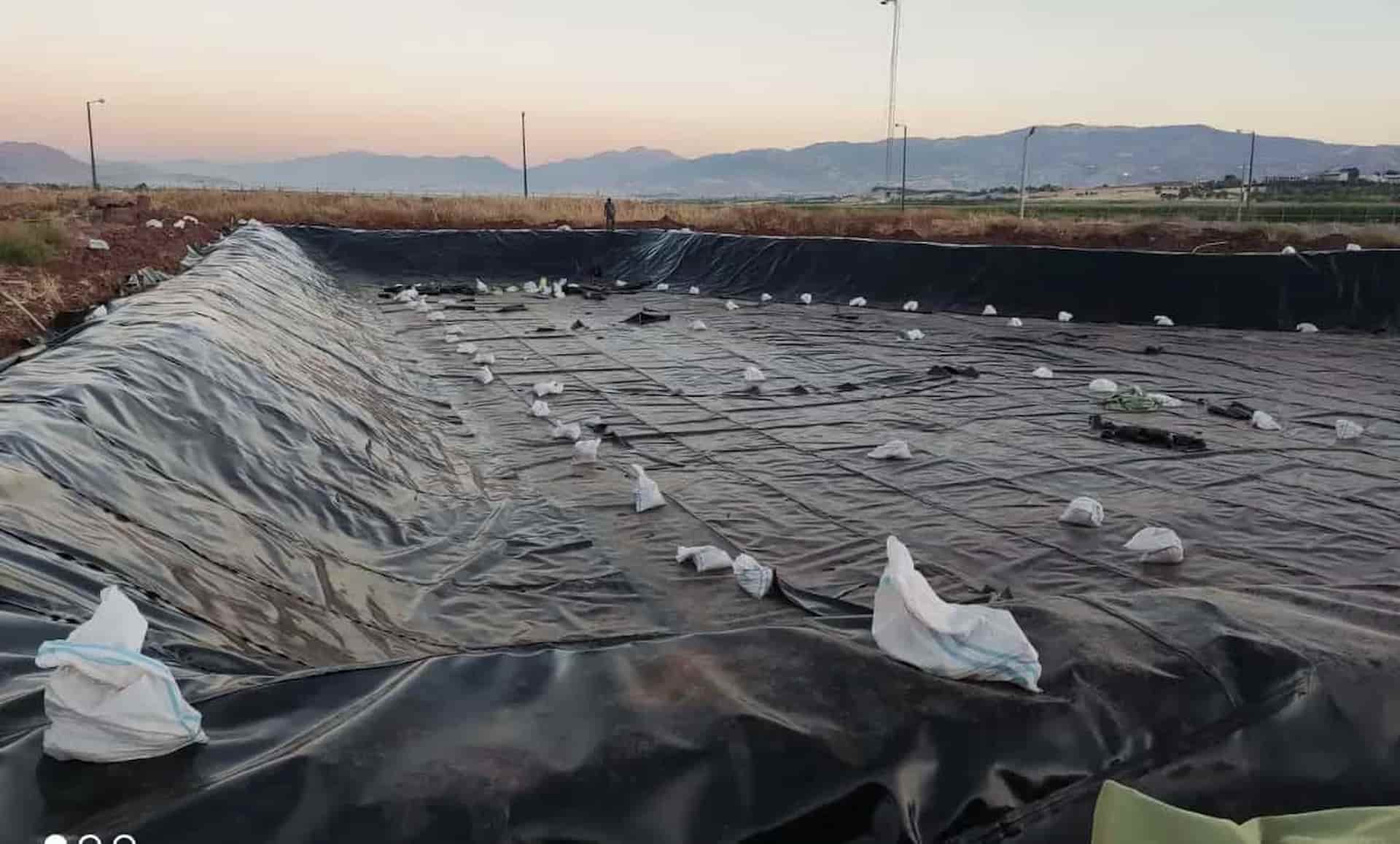
Geomembranes are impermeable, polymer-based sheets designed to prevent the migration of liquids and gases in various engineering and environmental projects. Commonly made from materials such as HDPE (High-Density Polyethylene), LLDPE (Linear Low-Density Polyethylene), and PVC, geomembranes are used as liners for landfills, reservoirs, canals, and ponds. Their primary function is to create a barrier that protects the surrounding environment from contamination while maintaining efficient water management.
Unlike traditional methods such as clay liners or concrete, geomembranes provide superior chemical resistance, flexibility, and durability. These attributes make them a cost-effective and sustainable solution for projects requiring long-term protection and minimal environmental impact.
Environmental Protection with Geomembranes
One of the most critical roles of geomembranes is in preventing soil and groundwater contamination. Industrial activities, waste disposal sites, and agricultural operations often produce liquids containing harmful chemicals. If not properly contained, these liquids can seep into the soil, polluting groundwater and disrupting local ecosystems.
By lining landfills, tailings ponds, and hazardous waste reservoirs with geomembranes, companies can effectively contain contaminants and minimize environmental risks. Additionally, geomembranes reduce the likelihood of leakage, preventing pollutants from entering rivers, lakes, and underground aquifers. This is especially important in regions with limited water resources, where protecting groundwater is essential for both human and ecological health.
Efficient Water Management
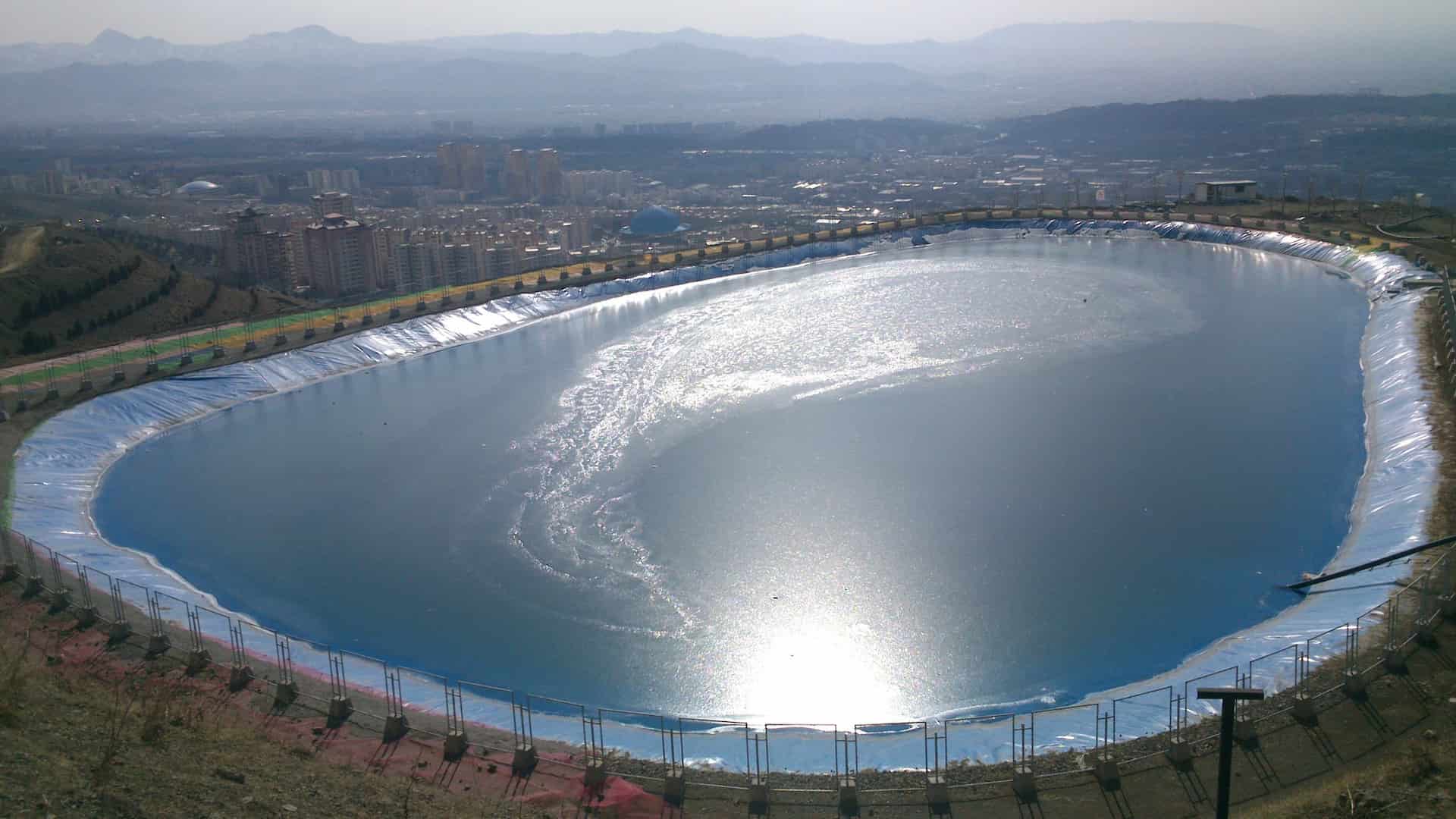
Water scarcity has become a global challenge, and efficient water management systems are now more important than ever. Geomembranes offer practical solutions for irrigation, aquaculture, and water storage projects. For instance, agricultural ponds lined with geomembranes prevent water seepage, ensuring that valuable water resources are preserved for crops and livestock. Similarly, reservoirs and canals equipped with geomembrane liners reduce water losses, improving overall efficiency in water distribution networks.
In addition to reducing water loss, geomembranes help in controlling water quality. By acting as a barrier between stored water and surrounding soil, they prevent contamination from sediments, chemicals, and microorganisms. This makes geomembranes an ideal choice for drinking water reservoirs, fish farming, and wastewater treatment projects.
Geomembranes in Landfill and Waste Management
Modern waste management relies heavily on geomembranes to minimize environmental impact. Landfills and solid waste disposal sites are significant sources of soil and water contamination if not properly lined. Geomembrane liners provide an impermeable barrier, preventing leachate—the liquid that drains from waste—from seeping into the soil.
Using geomembranes in combination with geotextiles and drainage systems further enhances protection by ensuring that any collected leachate can be safely treated and disposed of. This integrated approach supports sustainable waste management practices and helps municipalities comply with environmental regulations.
Advantages of Geomembranes for Environmental Projects
There are several key advantages to using geomembranes in environmental protection and resource management projects:
Durability and Chemical Resistance – HDPE and LLDPE geomembranes withstand harsh chemicals, UV radiation, and extreme temperatures, ensuring long-term protection.
Flexibility and Easy Installation – Geomembranes can be custom-fabricated to fit complex site conditions, reducing installation time and costs.
Cost-Effectiveness – Compared to traditional lining methods, geomembranes require less maintenance and have a longer service life, providing significant economic benefits.
Environmental Compliance – Geomembrane solutions help companies and municipalities meet environmental regulations and achieve sustainability goals.
Versatility – They are suitable for a wide range of applications, including industrial ponds, agricultural reservoirs, landfills, canals, and green infrastructure projects.
Export Potential of Geomembranes
Iranian geomembrane manufacturers, such as Shahriar Bespar Arin, have recognized the growing global demand for high-quality geomembranes. By exporting to neighboring countries in the Middle East, as well as international markets, Iranian companies contribute to sustainable development worldwide. Their products are manufactured according to international standards such as ISO 9001, ASTM, and GRI, ensuring reliability, safety, and performance across diverse climates and industries.
Exporting geomembranes not only strengthens Iran’s position in the global geosynthetics market but also promotes the adoption of environmentally responsible solutions in regions facing water scarcity and soil contamination challenges.
Integration with Geotextiles and Drainage Systems
For enhanced environmental protection, geomembranes are often used in conjunction with geotextiles and drainage systems. Geotextiles provide filtration, separation, and reinforcement, while geomembranes act as impermeable barriers. This combination ensures that soil and water resources are effectively protected, while also prolonging the lifespan of infrastructure projects.
For example, in a landfill, a composite system consisting of a geomembrane liner, geotextile layer, and drainage mat can efficiently manage leachate, prevent contamination, and maintain structural stability. Such integrated solutions exemplify how modern geosynthetics contribute to sustainable environmental management.
Conclusion
The role of geomembranes in environmental protection and resource management cannot be overstated. From preventing soil and groundwater contamination to ensuring efficient water storage and distribution, geomembranes offer reliable, cost-effective, and sustainable solutions for a wide range of applications.
Companies like Shahriar Bespar Arian provide high-quality geomembranes that meet international standards, supporting agricultural, industrial, and municipal projects in Iran and abroad. By choosing advanced geomembrane solutions, industries can not only improve operational efficiency but also contribute significantly to environmental sustainability and the responsible management of natural resources.