Why HDPE Geomembrane Is the Most Economical Solution for Waterproofing Large Projects
In modern infrastructure and environmental projects, reliable waterproofing plays a key role. From municipal solid waste landfills and industrial tailings ponds to reservoirs, canals, and agricultural storage — everywhere a material is needed that can provide long-term protection against leaks and contamination, for example, buy HDPE geomembrane.
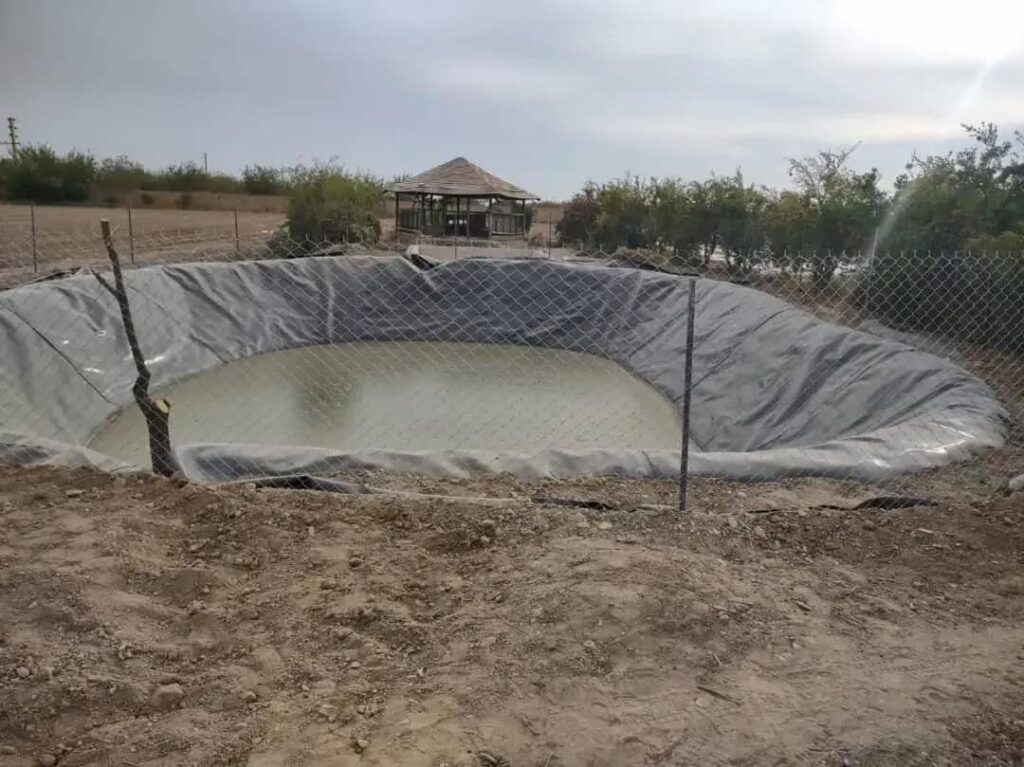
Among many solutions, the HDPE geomembrane (high-density polyethylene) is recognized worldwide as the most cost-effective option for large-scale projects. But why HDPE? In this article, we will examine the technical, operational, and financial reasons for this choice.
What is an HDPE Geomembrane
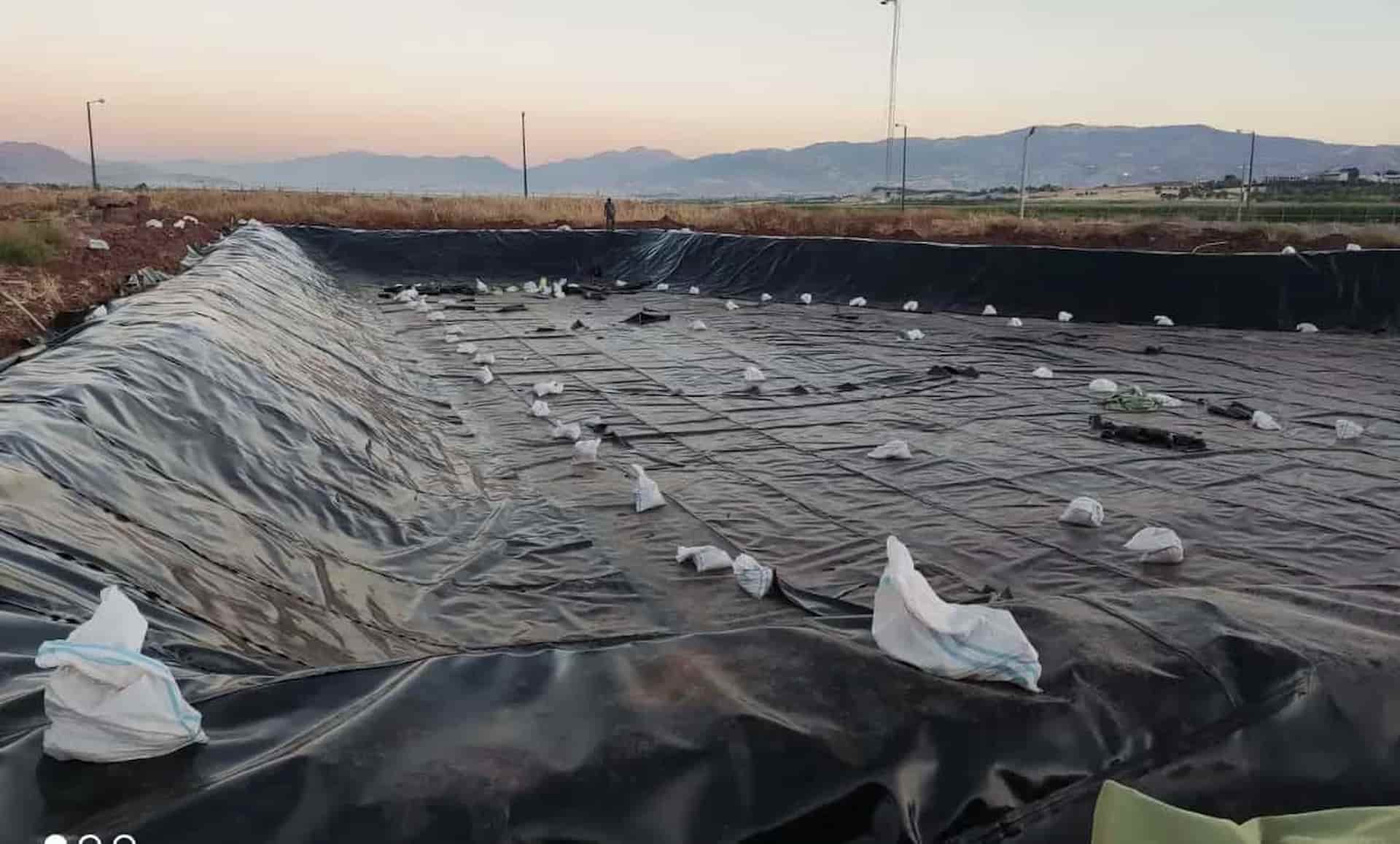
An HDPE geomembrane is a synthetic waterproofing material in roll form, made from high-density polyethylene. It has high chemical resistance, tensile strength, and exceptional durability.
The main purpose of HDPE geomembranes is to create an impermeable barrier between aggressive substances and soil, preventing the penetration of liquids, chemicals, and pollutants.
Key Advantages of HDPE Geomembranes
1. Exceptional Durability
The service life of a quality HDPE geomembrane can exceed 40–50 years. The material is resistant to UV, temperature fluctuations, and biological impact. This means minimal maintenance costs throughout the project’s life cycle.
2. High Chemical Resistance
HDPE does not react with most acids, alkalis, or salts. That is why it is actively used in:
- municipal solid waste landfills
- chemical storage facilities
- mining sites
- treatment plants
Such resistance prevents premature failure and reduces the risk of costly accidents.
3. Minimal Permeability
The permeability coefficient of HDPE geomembranes is nearly zero. This makes it ideal for protecting groundwater and preventing leaks in large hydraulic systems.
Economic Efficiency: Where the Savings Occur
Many clients mistakenly evaluate waterproofing costs only by the price per square meter. In reality, it is important to consider the total life-cycle cost.
Reduced Repair Costs
Thanks to its high strength and puncture resistance, HDPE requires significantly fewer repair works compared to alternative materials.
Fast Installation
Modern welding technologies allow thousands of square meters to be installed per day. Fewer work hours mean lower labor and equipment costs.
No Additional Protective Layers Needed
In many projects, HDPE can be laid directly on the prepared base without costly concrete or asphalt liners.
Minimizing Environmental Fines
Reliable waterproofing prevents soil and water contamination, reducing the risk of fines, lawsuits, and reputational damage.
Comparison with Alternative Solutions
Compared to clay liners, bitumen coatings, or PVC membranes, HDPE wins in several areas:
- higher mechanical strength
- better chemical resistance
- much longer service life
- lower maintenance costs
In large projects, the difference in maintenance costs over 20–30 years can reach tens of percent of the total budget.
Why HDPE Is Ideal for Large-Scale Projects
Uniform Quality
Factory production ensures consistent characteristics across the entire roll — impossible to achieve with natural materials.
Weld Seam Inspection
Each seam is checked with non-destructive methods (vacuum, air pressure), ensuring complete system tightness.
Design Flexibility
HDPE easily adapts to complex geometries of excavations, slopes, and reservoirs, allowing the implementation of complex engineering solutions.
Typical Applications
Today, HDPE geomembranes are used in:
- solid waste landfills
- tailings ponds and sedimentation tanks
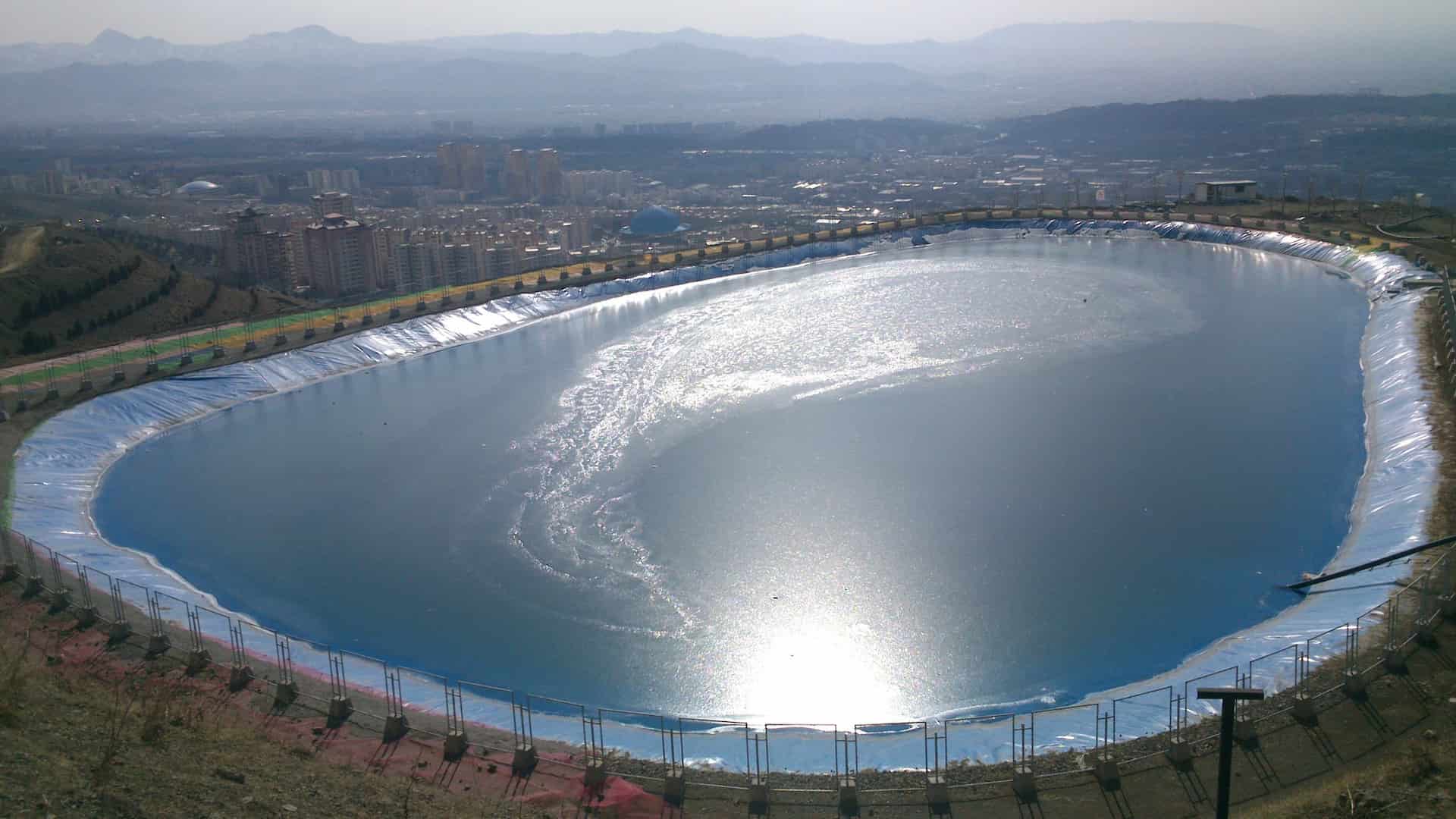
- artificial reservoirs
- canals and dams
- agricultural storage tanks
- industrial sites
In all these areas, the main task is reliable, long-term, and economically justified waterproofing.
Role of HDPE in Sustainable Development
Beyond financial benefits, HDPE geomembranes contribute significantly to environmental safety:
- protection of groundwater
- prevention of contamination spread
- reduction of water losses
- increased infrastructure resilience
For modern “green” projects, this is critically important.
Conclusion
Considering not only initial investments but the entire project life cycle, it becomes clear: HDPE geomembrane is the most economical solution for waterproofing large projects.
Its durability, chemical resistance, ease of installation, and minimal operational costs make HDPE the optimal choice for engineers, designers, and investors.
That is why HDPE geomembranes are becoming the global standard in construction, environmental protection, and industrial infrastructure.